


Have you ever wondered why cravings for junk food can return weeks—or even months—after you’ve stopped eating it? Neuroscience has an answer.
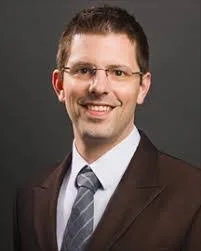
In this fascinating episode, Dr. Vera Tarman speaks with Dr. Guillaume de Lartigue, Associate Professor at the Monell Chemical Senses Center and the University of Pennsylvania. His groundbreaking research reveals how the hippocampus—the brain’s memory hub—stores food-related memories that can later be reactivated by sights, smells, or even routines like watching Netflix at night. These memory cues, combined with the dopamine-driven reward system, help explain why ultra-processed foods are so hard to resist.
Together, Dr. Tarman and Dr. de Lartigue explore:
- The difference between metabolic hunger, hedonic hunger, and memory-cued hunger
- How fats and sugars create separate memory traces in the brain—and why foods combining both are especially addictive
- Why food memories can trigger cravings long after the food itself is gone
- How childhood exposure, stress, and even in-utero diet shape lifelong vulnerability to food cues
- The impact of artificial sweeteners on memory, satiety, and “the broken stop switch”
- Why food marketing deliberately exploits our memory circuits
- Emerging treatments: from behavioral retraining to potential drugs that could dampen food-related memories
Dr. de Lartigue’s research shows that food cravings aren’t just about willpower—they’re wired deep into our biology. But with awareness, deliberate habit-building, and future medical advances, there is hope for reshaping how our brains respond to ultra-processed foods.
Dr. Anna Barbieri is a practicing gynecologist, certified menopause practitioner, and integrative medicine physician based in New York City. She is a fellow of the University of Arizona’s Integrative Medicine Fellowship and co-founder of Electra Health, a digital platform revolutionizing women’s healthcare. She is passionate about helping women understand their hormones and use both conventional and holistic tools to feel their best.


